
Is Solar Panel Recycling Worth It? Costs, Benefits, and Value Recovery
Yes, Solar Panel Recycling Is Worth It for Most U.S. Property Owners
Yes, solar panel recycling is worth it because it helps recover valuable materials, reduces environmental harm, and ensures compliance with U.S. disposal regulations. In major solar markets like Los Angeles, Phoenix, and Houston, recycling is often the safest, most responsible, and sometimes most cost-effective option for end-of-life solar panels. In many commercial projects, recycling also provides measurable value recovery that offsets disposal costs.
As a solar recycling professional working with commercial, utility, and residential clients across the United States, I’ve seen firsthand how proper recycling protects both your investment and the environment.
What Is Solar Panel Recycling? (Definition and Why It Matters)
Simple Definition
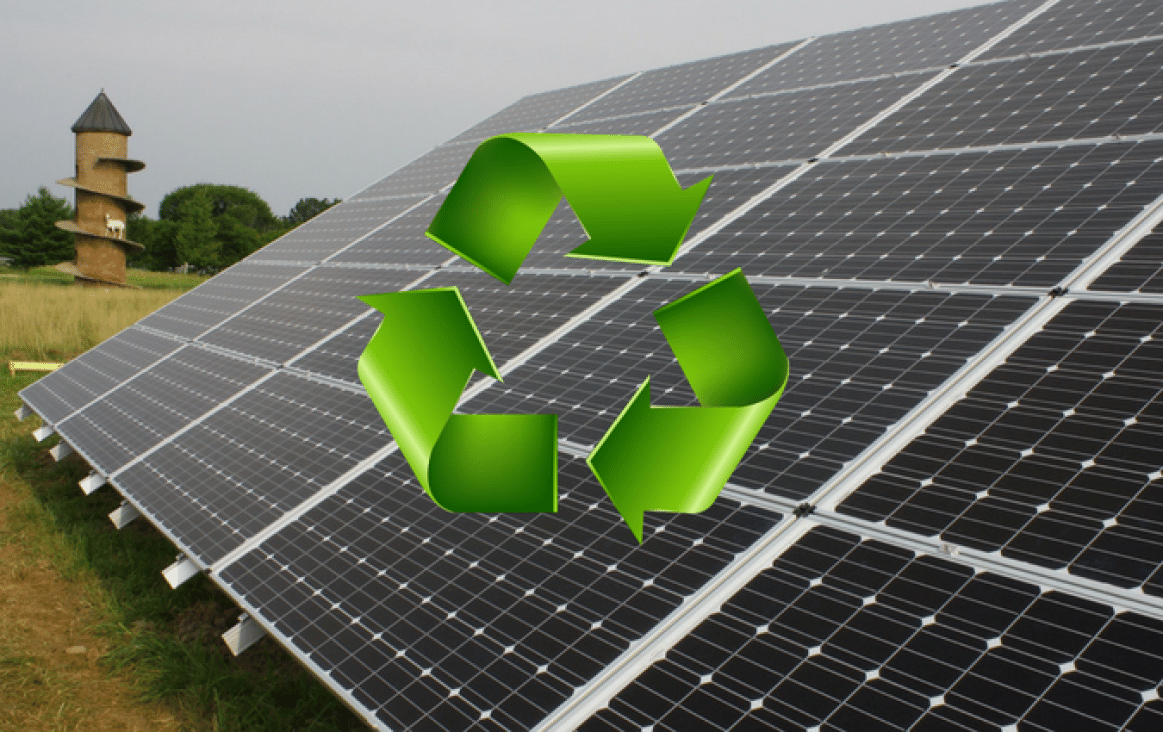
Solar panel recycling is the professional process of safely removing, dismantling, and recovering reusable materials from photovoltaic (PV) panels that are damaged, outdated, or no longer producing efficiently.
What Materials Can Be Recovered?
Most people are surprised to learn that solar panels contain valuable recyclable materials.
Up to 95% of solar panel materials can be recovered, including:
Aluminium frames
Tempered glass
Copper wiring
Silicon cells
Steel mounting hardware
These materials can be reused in new manufacturing, reducing waste and creating financial value.
Solar Panel Recycling Costs in the United States
Average Recycling Cost Per Panel
The cost varies depending on system size, location, and logistics.
Typical U.S. recycling costs:
Residential panels: $10–$45 per panel
Commercial systems: $15–$35 per panel (bulk discounts apply)
Utility-scale projects: Custom pricing based on volume and logistics
What Impacts Solar Recycling Costs?
1. Location and Transportation
Distance to recycling facilities significantly affects cost.
For example:
Recycling in San Diego may cost less than rural Arizona due to proximity to recycling centers.
2. Quantity of Panels
Larger projects cost less per panel due to economies of scale.
Example:
50 panels: higher cost per unit
5,000 panels: significantly lower cost per unit
3. System Accessibility
Roof-mounted systems cost more to remove than ground-mounted systems.
4. Panel Condition
Broken or damaged panels require special handling.
Value Recovery: How Recycling Can Return Financial Value
One of the biggest misconceptions is that recycling is only an expense. In reality, it can provide financial returns.
Direct Financial Benefits
Value recovery comes from:
Aluminium resale value
Copper recovery
Equipment reuse potential
Avoided landfill fees
Real Commercial Example (Professional Experience)
In a recent commercial project in Dallas, a 480-panel system was removed from an aging warehouse.
Results:
Recycling costs were partially offset by material recovery
The client avoided landfill fees
The property was ready for a modern, more efficient solar system
This is a common outcome for commercial clients.
Environmental Benefits: Why Recycling Is the Responsible Choice
Solar panels are environmentally friendly during operation—but improper disposal can create environmental problems.
Major Environmental Benefits of Recycling
Recycling helps:
Reduce landfill waste
Prevent hazardous material leakage
Conserve natural resources
Support the clean energy lifecycle
Local Environmental Reality in U.S. Cities
States like California and Arizona are implementing stricter disposal regulations, especially in solar-dense areas like:
Los Angeles
Phoenix
San Jose
Improper disposal can result in fines and environmental violations.
When Solar Panel Recycling Is Absolutely Worth It
Based on real project experience, recycling is strongly recommended in these situations:
1. Panels Are Over 20–25 Years Old
Older panels lose efficiency and provide lower energy output.
2. Panels Are Damaged
Common causes include:
Storm damage
Hail impact
Electrical faults
3. Commercial System Upgrades
Businesses upgrading to modern systems benefit from recycling old equipment.
4. Property Renovation or Roof Replacement
Many property owners in Houston and Phoenix recycle panels during roofing upgrades.
When Recycling May Not Be Necessary Yet
Sometimes recycling can wait.
Panels May Still Be Useful If:
Less than 15 years old
Still producing efficient energy
Suitable for repurposing
A professional inspection can help determine this.
Common Mistakes Property Owners Make
Over the years, I’ve seen clients make costly mistakes.
Avoid These Common Errors
Mistake 1: Sending panels to landfill
This can violate local regulations.
Mistake 2: Using uncertified removal companies
This creates safety and legal risks.
Mistake 3: Delaying recycling too long
Damaged panels become harder to transport safely.
Mistake 4: Attempting DIY removal
This is dangerous due to electrical risks.
Safety Warning: Solar Panel Removal Is Not a DIY Project
Solar panels generate electricity and contain complex wiring.
Professional removal prevents:
Electric shock
Roof damage
Personal injury
Equipment damage
Always hire professionals.
Solar Recycling Across Major U.S. Cities and Regions
Professional solar recycling services are available nationwide.
Major Cities Served
Los Angeles, California
Phoenix, Arizona
Houston, Texas
Dallas, Texas
San Diego, California
Nearby Areas and Communities
Services also cover surrounding areas, including:
Long Beach, CA
Mesa, AZ
Fort Worth, TX
Irvine, CA
Arlington, TX
Rural and Commercial Solar Farms
Utility-scale solar farms across the Southwest and Midwest are increasingly using professional recycling.
Prevention Tips: How to Extend Solar Panel Life Before Recycling
Proper maintenance helps delay recycling and maximize value.
Solar Panel Maintenance Checklist
Follow these steps:
Inspect panels annually
Clean debris and dust
Monitor system performance
Repair minor issues early
Schedule professional inspections
This can extend lifespan by 5–10 years.
When to Call a Professional in Los Angeles
If you are located in Los Angeles, here are clear signs you need professional recycling:
Warning Signs
Panels producing less power
Panels over 20 years old
Physical damage
Roof replacement planned
System upgrade scheduled
Professional recycling ensures safety and compliance.
Why Choose Us for Solar Panel Recycling in Los Angeles
Choosing the right recycling partner is critical.
What Makes Our Service Different
We provide:
Nationwide pickup and logistics
Complete solar system recycling
Commercial and utility-scale expertise
Safe removal and transport
Full compliance with regulations
Real Client Experience
A commercial client in Los Angeles needed urgent removal of a failed solar system.
Our team:
Scheduled pickup within 48 hours
Completed safe removal
Recovered valuable materials
Ensured full compliance
The client avoided costly delays.
Step-by-Step: How Professional Solar Panel Recycling Works
Here is the typical process:
Step 1: Inspection and Assessment
Professionals evaluate system condition.
Step 2: Safe Removal
Panels are carefully disconnected and removed.
Step 3: Secure Packaging and Transport
Panels are packed for safe transport.
Step 4: Material Recovery
Recyclable materials are separated and processed.
Step 5: Documentation and Compliance
Clients receive proper disposal records.
Comparison: Recycling vs Landfill Disposal
| Factor | Recycling | Landfill |
|---|---|---|
| Environmental impact | Low | High |
| Legal compliance | Yes | Risky |
| Value recovery | Yes | No |
| Sustainability | Excellent | Poor |
Recycling is clearly the better option.
Final Verdict: Is Solar Panel Recycling Worth It?
Yes, solar panel recycling is absolutely worth it for most residential, commercial, and utility property owners.
Key Reasons:
Protects the environment
Recovers valuable materials
Ensures legal compliance
Prepares properties for upgrades
Supports sustainability goals
For most clients, recycling provides both financial and environmental benefits.
Schedule Professional Solar Panel Recycling Today
If your solar panels are damaged, outdated, or ready for replacement, professional recycling is the safest and smartest solution.
Learn more about our complete recycling, logistics, and value recovery services here
Our team provides nationwide support for residential, commercial, and utility solar systems.
Local FAQs
-
Yes, recycling solar panels in Los Angeles helps avoid landfill fees and ensures compliance with California regulations.
-
Valuable materials like aluminium, copper, and glass can partially offset recycling costs.
-
Most solar panels last 25–30 years before recycling becomes necessary.
-
Yes, damaged panels can be safely recycled by professional recycling companies.
-
California strongly encourages recycling to reduce landfill waste and environmental impact.
-
You can contact a nationwide solar recycling company offering pickup and transport services.
-
No, solar panel removal is dangerous and should always be handled by professionals.