
Where to Find a Certified Solar Panel Recycling Center in the United States (R2v3 Solar Recycling Certification Explained)
If you’re looking for a certified solar panel recycling center in the United States, the safest and most reliable option is to work with an R2v3-certified solar recycling company that offers compliant recycling and nationwide logistics. R2v3 certification ensures solar panels are handled safely, recycled responsibly, and documented correctly—protecting your project from environmental, legal, and financial risk.
As solar systems reach end of life across the U.S., finding the right recycling partner has become just as important as installing panels correctly in the first place.
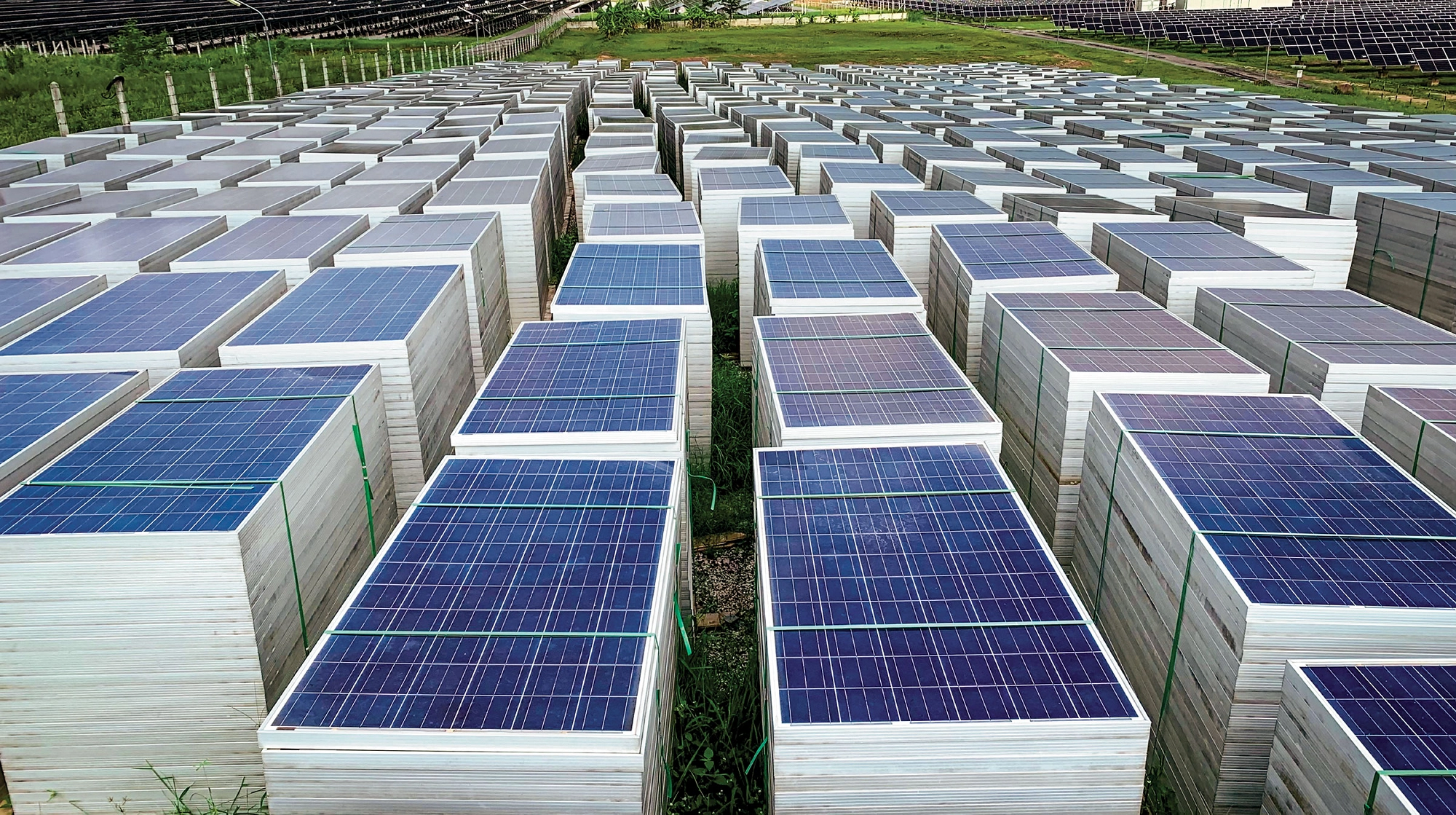
What Is a Certified Solar Panel Recycling Center?
A certified solar panel recycling center is a facility that meets strict environmental, safety, and material recovery standards for handling end-of-life photovoltaic (PV) equipment.
Unlike general scrap or waste facilities, certified solar recycling centers are designed to manage:
Glass, aluminum, silicon, and copper recovery
Hazardous materials found in PV modules
Chain-of-custody documentation
Environmental compliance at the state and federal level
Why Certification Matters in the United States
Across states like California, Arizona, Texas, and New York, environmental enforcement has increased significantly. Solar panels improperly disposed of can trigger:
EPA violations
State environmental fines
Project delays or shutdowns
ESG and sustainability reporting failures
Working with a certified recycling center is no longer optional for most commercial and utility-scale solar projects.
What Is R2v3 Solar Recycling Certification? (Explained Simply)
R2v3 (Responsible Recycling version 3) is the leading global standard for electronics recycling—and it applies directly to solar panels and PV equipment.
What R2v3 Certification Requires
An R2v3-certified solar recycling center must demonstrate:
Environmental compliance (no landfill dumping)
Worker health and safety protections
Secure downstream material tracking
Documented recycling outcomes
Audited processes and transparency
This certification is often required by:
Utility companies
Municipal solar projects
Commercial property owners
EPC contractors
ESG-driven enterprises
How R2v3 Certification Protects Your Solar Project
From a professional standpoint, R2v3 certification:
Reduces liability exposure
Supports sustainability and ESG reporting
Ensures legal compliance across jurisdictions
Protects brand reputation
Many clients only realize the importance of R2v3 after a compliance issue arises—one of the most common (and costly) mistakes we see.
Where to Find Certified Solar Panel Recycling Centers in the United States
The Reality: Certified Centers Are Limited
While solar installations are everywhere, certified solar recycling facilities are not evenly distributed.
Most certified infrastructure is concentrated in:
California (Los Angeles, Orange County, Bay Area, Inland Empire)
Arizona (Phoenix metro area)
Texas (Dallas–Fort Worth, Austin, Houston)
Select Midwest and Northeast regions
This creates a major challenge for projects in rural areas or emerging solar markets.
The Solution: Nationwide Solar Recycling & Logistics
Instead of searching locally for a recycling center that may not exist, many project owners choose a certified solar recycling company with nationwide pickup and logistics.
This approach allows:
On-site palletization
Secure transport
Certified recycling documentation
Zero-landfill processing
This is where companies like Repurpose Solar Energy provide end-to-end support.
Common Local Problems with Solar Panel Recycling
Based on real U.S. project experience, here are the most common issues we see:
1. Using Non-Certified Scrap or Waste Vendors
Panels are often sent to scrap yards that cannot legally process PV modules, creating compliance risks.
2. Incomplete Documentation
Missing certificates of recycling or downstream reports can fail audits especially in California and New York.
3. Illegal Landfill Disposal
Some contractors unknowingly send panels to landfills, violating state environmental regulations.
4. Poor Logistics Planning
Improper packaging or transport can cause breakage, delays, and safety hazards.
Cost of Certified Solar Panel Recycling in the United States
What Does Certified Solar Recycling Cost?
Costs vary based on project scope, but typical ranges include:
Commercial systems: Per-panel or per-pallet pricing
Utility-scale projects: Volume-based pricing with logistics included
Factors That Impact Cost
Distance to certified facilities
Project size and volume
Packaging and pallet requirements
On-site labor needs
Documentation and reporting requirements
Certified vs Non-Certified Recycling (Cost Comparison)
| Factor | Non-Certified | R2v3 Certified |
|---|---|---|
| Upfront cost | Lower | Slightly higher |
| Legal compliance | ✖ | ✔ |
| Audit readiness | ✖ | ✔ |
| ESG reporting | ✖ | ✔ |
| Long-term risk | High | Low |
Professional advice: Paying slightly more upfront almost always saves money long-term.
How to Verify a Solar Recycling Center Is Truly Certified
R2v3 Verification Checklist
Before choosing a provider, ask:
Are you R2v3 certified?
Can you provide certification documentation?
Do you track downstream material recovery?
Will I receive a certificate of recycling?
If a vendor cannot answer clearly, that’s a red flag.
Certified Solar Recycling Near You
Serving Major U.S. Metro Areas
Certified solar recycling services are commonly required in:
Los Angeles & Orange County (Irvine, Anaheim, Santa Ana)
Phoenix Metro Area
Bay Area & Silicon Valley suburbs
Dallas–Fort Worth and Austin
Nationwide Coverage for Rural & Utility Projects
Solar farms in remote areas often rely on nationwide pickup and logistics to meet compliance requirements—especially utility-scale projects spanning multiple states.
Prevention Tips: Reduce Future Solar Recycling Costs
Design with End-of-Life in Mind
Use modular systems
Track equipment serial numbers
Plan decommissioning early
Maintain Systems Properly
Prevent damage that shortens panel lifespan
Conduct regular inspections
Address mounting or electrical issues early
Good maintenance can delay recycling needs by years.
When to Call a Professional Solar Recycling Company in Los Angeles (or Your City)
Call a certified professional when:
Panels reach end of life
Repowering or system upgrades begin
Panels are damaged or storm-impacted
Compliance documentation is required
Utility or municipal projects are involved
Waiting too long often limits your options.
Why Choose Repurpose Solar Energy for Certified Solar Recycling in the United States
A Trusted Solar Recycling Company for Every Sector
Repurpose Solar Energy provides fully compliant, R2v3-aligned solar recycling services nationwide.
Our services include:
Certified solar panel recycling
Nationwide pickup & logistics
Commercial and utility-scale decommissioning
Value recovery and reuse programs
Full documentation and reporting
We serve manufacturers, communities, utilities, and enterprise clients with one goal: make responsible solar management simple and reliable.
Explore our services:
https://www.repurposesolar.net/our-services
Local FAQs
-
An R2v3-certified center meets strict environmental, safety, and material recovery standards for solar panel recycling.
-
Many commercial and utility projects require certified recycling to meet environmental regulations.
-
Most projects use certified solar recycling companies that offer nationwide pickup and logistics.
-
Yes, it is often required for compliance, ESG reporting, and risk management.
-
It may cost slightly more upfront but significantly reduces legal and environmental risk.
-
Yes, certified recycling ensures panels are safely recycled, not dumped in landfills.
-
You should receive a certificate of recycling and material recovery documentation.